Change at Last as Government Reform Council Empty Homes Power?
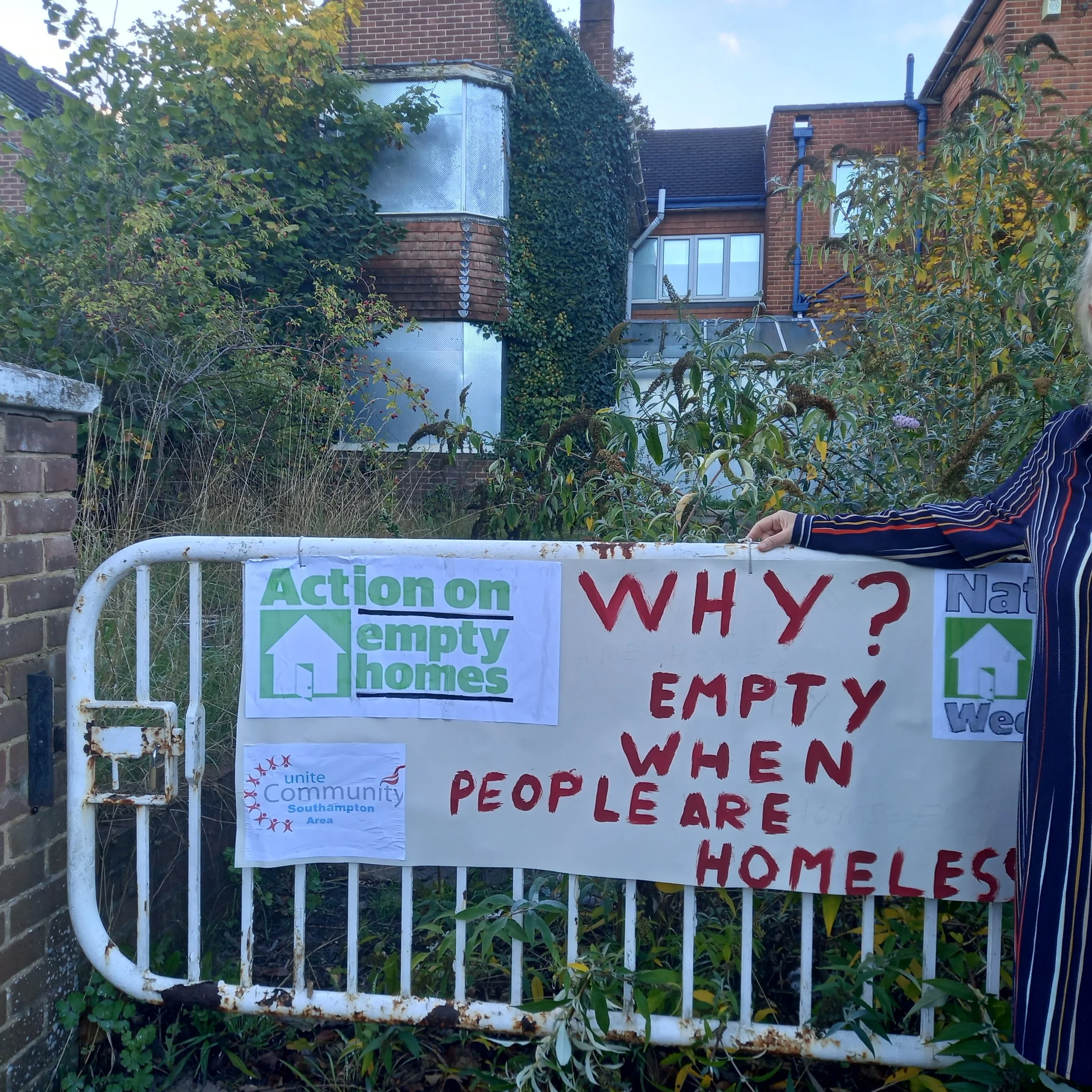
For over a decade numbers of long-term empty homes have been rising. from around 200,000 to over 300,000. A rise of over 50%, with numbers more than doubling in the London region at the heart of our housing crisis.
And throughout that time, Action on Empty Homes and our partners in local government and across the housing world have been arguing that we need urgent action to reverse this trend, at a time when we see an intensifying housing crisis and a public narrative that we have a shortage of homes. Reform of the Empty Dwelling Management Order (or EDMO) is an important step in the right direction.
As public concern grew and numbers of wasted empties kept piling up across the nation, Councils have consistently been told by successive Governments that they have powers to take action and need to use them. But the reality is that changes introduced under the Conservative-led Coalition Government in 2012 meant that the one specialist power at councils disposal, the Empty Dwelling Management Order (or EDMO), was hamstrung and falling out of use, at a time when the growth of wasted empty homes suggested that it was needed more than ever.
Finally we see a Government showing that it understands the need for change.
Changes announced on September 27th mark a line in the sand. Government has shown that it recognises that to be a meaningful incentive to encourage owners to bring homes back into use, councils need a power they can use to take action themselves where owners fail to do so.
Government has announced two significant changes to the EDMO power, which closely reflect what both AEH and local councils have called for. The first is that proceedings can now commence, as originally envisaged in the primary legislation, from six months empty instead of two years - in cases where there is no valid reason for the home to remain empty and no effort is being made to return it to residential use. The second is the removal of Ministerial Guidance requiring evidence of criminal or anti-social behaviour stemming from the empty home and negatively impacting the neighbourhood. This was a bar that was too high and essentially meant that action could only be taken when it was ‘too late’.
The Government also states that it is “exploring further changes to strengthen the EDMO regime and support councils to use the powers more effectively”. Action on Empty Homes and partners including Shelter and Crisis would like to see a programme of investment and retrofit, with Government providing the funding for councils and community housing organisations to purchase empty homes for use as social housing, wherever the wasted empties can be matched to local housing needs.
Chris Bailey, Director of Policy and Campaigns at Action on Empty Homes said,
“Action on Empty Homes welcome the Government’s changes to the Empty Dwelling Management Order powers. This shows the new Government has listened. Councils now have a power they can use where appropriate, instead of one that had fallen out of use through ineffectiveness.
“We hope this represents a line in the sand - a Government saying that it won’t tolerate homes going to waste, when over a hundred thousand families are homeless.
“In the last decade numbers of long-term empty homes have risen by 50% and more than doubled in London - these changes show a commitment to reversing this tide of waste. Now Government needs to take the next step, which is freeing up funds for councils to invest in purchasing empty homes and retrofitting these as affordable social homes, where they can be matched to local housing needs.
“There will be lots of headlines warning about councils taking homes but it is important to realise that this is a power that is subject to approval by Property Tribunals - the reason it is good news, is that it should show that where homes are really empty for no reason and where owners are making no effort to sell them or return them to use, councils can now act.”
Action on Empty Homes will continue to engage with both local and national Government on this issue. We hope to see further moves to align the reduction of wasted empty homes with efforts to alleviate our current housing crisis.
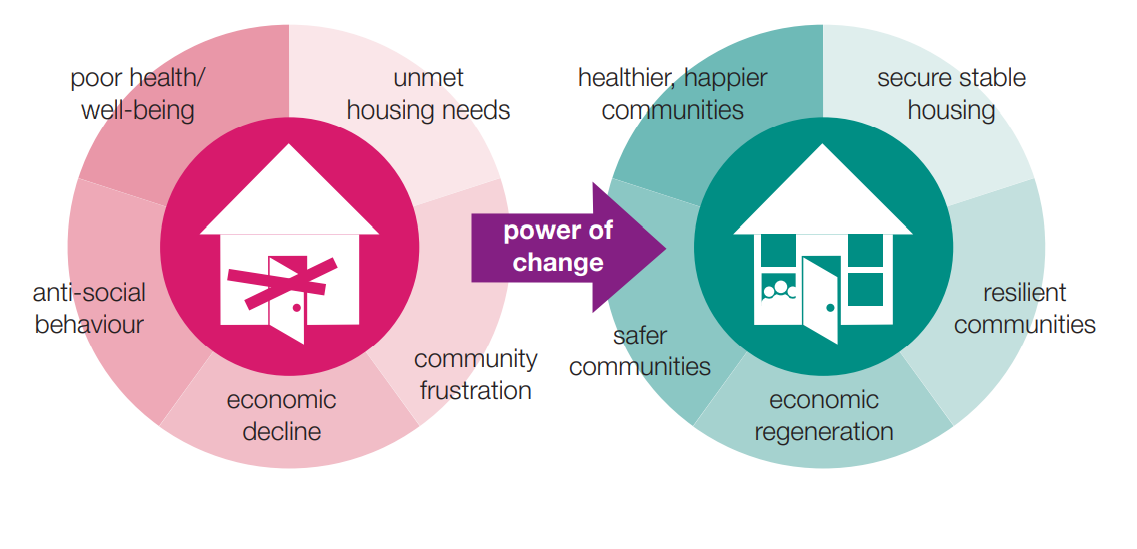
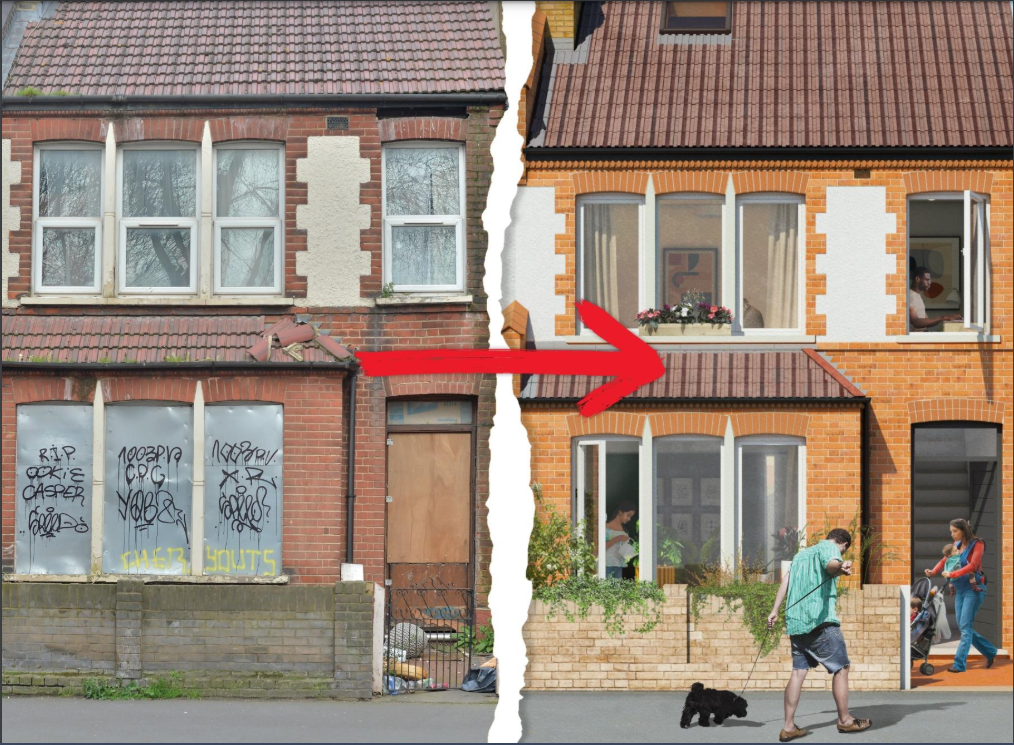
Every long-term empty home is a missed opportunity to improve lives, provide housing and to invest in its neighbourhood.