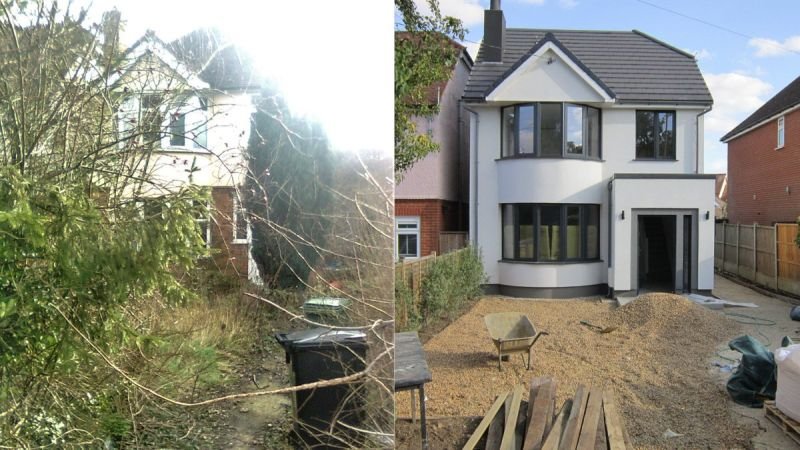
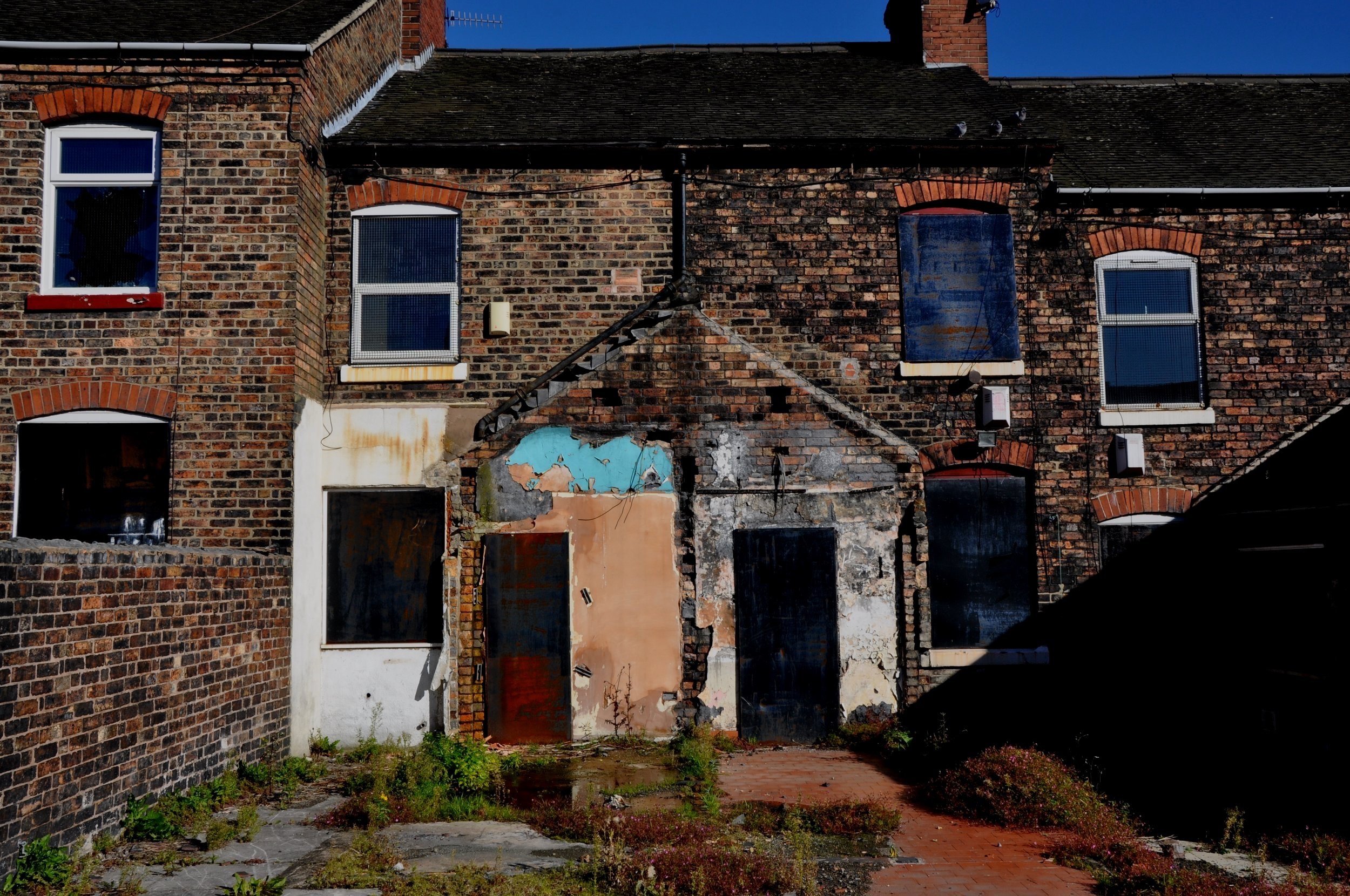
Tonight, over one million homes will stand empty in England, with at least half having been out of use on a long-term basis. We believe this is unacceptable in the middle of an intense housing and climate crisis - when there should be a focus on recycling existing stock into much-needed homes, quickly and in locally responsive ways.
We believe that significant numbers of empty homes could rapidly be brought into use with the right policy incentives and a few tweaks to the local government powers already in place.
1. Support local action
Our research shows that communities and local authorities can and do work together very effectively, as well as in partnership with others, to transform long-term empty homes into settled, affordable housing for local people in the places they want to live. Places where services are already in place and communities stand ready to support growth and renewal.
Community-based projects provide support, mentoring and onsite training. They generate work for local businesses and build partnerships with educational and training organisations,. This boosts investment in the local economy and delivers economic growth in their local postcodes.
We want Government to embrace this local growth potential. How?
Provide a recyclable funding pot enabling local authorities and community-based housing groups to bring empty homes back into use for those in local housing need. We want this pot devolved locally so that housing can meaningfully meet local priorities.
Government funding should prioritise fabric-first retrofit, easiest when homes are empty and great for providing onsite training in the green skills needed to improve all our homes.
In addition to increasing the supply of housing, this helps tackle fuel poverty, improves health outcomes, and reduces carbon emissions. Upscaling retrofit will stimulate local demand and grow dynamic local economies fit for a sustainable future.
2. Stop new-build housing being sucked from residential use
Increasingly, newbuild housing is being sucked out of residential use through mechanisms such as second home purchases, short-term holiday-lets and international investment strategies.
Policy innovation is needed to:
Develop national planning policy that requires new homes granted planning permission as residential to be occupied as primary residential. In other words if its called a ‘home’ and given planning permission as a home, someone should be living there.
This will allow transparent planning applications for dedicated leisure developments but stop large proportions of new housing developments designed to alleviate local housing pressures from becoming sucked out of residential use as Airbnb-type short lets and second homes.
Create a national register of home ownership and usage which would make bringing empty homes into use easier and prevent abuses of housing and planning policy.
3. Changes in Taxation
Current taxation policies conspire against individuals and communities seeking to increase the supply of homes for local people by bringing empty homes into use. These require reform, to incentivise the use of this valuable and ready supply:
Capital Gains Tax is currently ‘blind’ to any social value that may be achieved through the sale of a home into the community or social housing sectors. A national Capital Gains Relief Programme would help to incentivise sale of homes, including empty homes, into social use.
This would offer purchase cost savings to community, social and public housing bodies and remove the risk of localised inflationary impacts on house prices, while still providing real financial incentives and benefits for those selling unused homes or exiting the private rented sector.
We welcome the application of Council Tax Premiums on homes standing empty for long periods of time. Where steps are taken to renovate and ideally retrofit empty homes, however, we believe the Premium should be suspended to help facilitate completion of agreed works that will restore the property to use within an agreed period of time.
Failure to deliver would reactivate and back-date the Premium. The Council Tax penalty applied during active renovation is a significant disincentive for empty homeowners and community-led housing projects.
The renovation of existing empty homes qualifies for VAT reduction to 5%- but only after two years (or zero after 10 long years empty). This is too long and places additional cost pressures on those trying to increase the supply of available housing from homes already built. VAT on the renovation of empty homes should be reduced to zero, in line with the VAT on newbuild construction.
Those who have signed this letter want to make it clear that you must actively work to reduce the numbers of empty and underutilised homes.
Will you add your signature?
We’re calling on our Government to take action on empty homes. In our letter (on this page) we set out clear guidelines for steps to take on empty homes that can alleviate our housing crisis and help to create more homes for the people who need them most.
Read the letter and, if you agree, please fill in your information below to sign it.
A letter to the Government
You may like to put these ideas into a letter to your MP. You can read our advice for doing so here.